Our Story
The Story Behind Soreva
We did not set out to build an institution. We set out to make one room worth returning to — and let everything else follow from that.
- Founded
- 2016
- Seats
- 48
- Home
- Gulberg III, Lahore
The idea
A dining room built around attention.
Soreva exists because of a conviction we kept testing for years: that the best meals in Lahore are rarely the most performed. They are the ones where the food arrives without ceremony, the room never shouts, and someone is quietly paying attention to when you would like the next course.
That conviction shapes our ingredients, our room, and the length of time we are willing to give a table. It is why we cook from a short seasonal list, why we keep the dining room small, and why our service runs to two sittings rather than three.
Everything here began with a question a regular guest asked us in our first year: “Why are you being so careful with this?” It is still the best review we have received, and it is the standard we cook to.
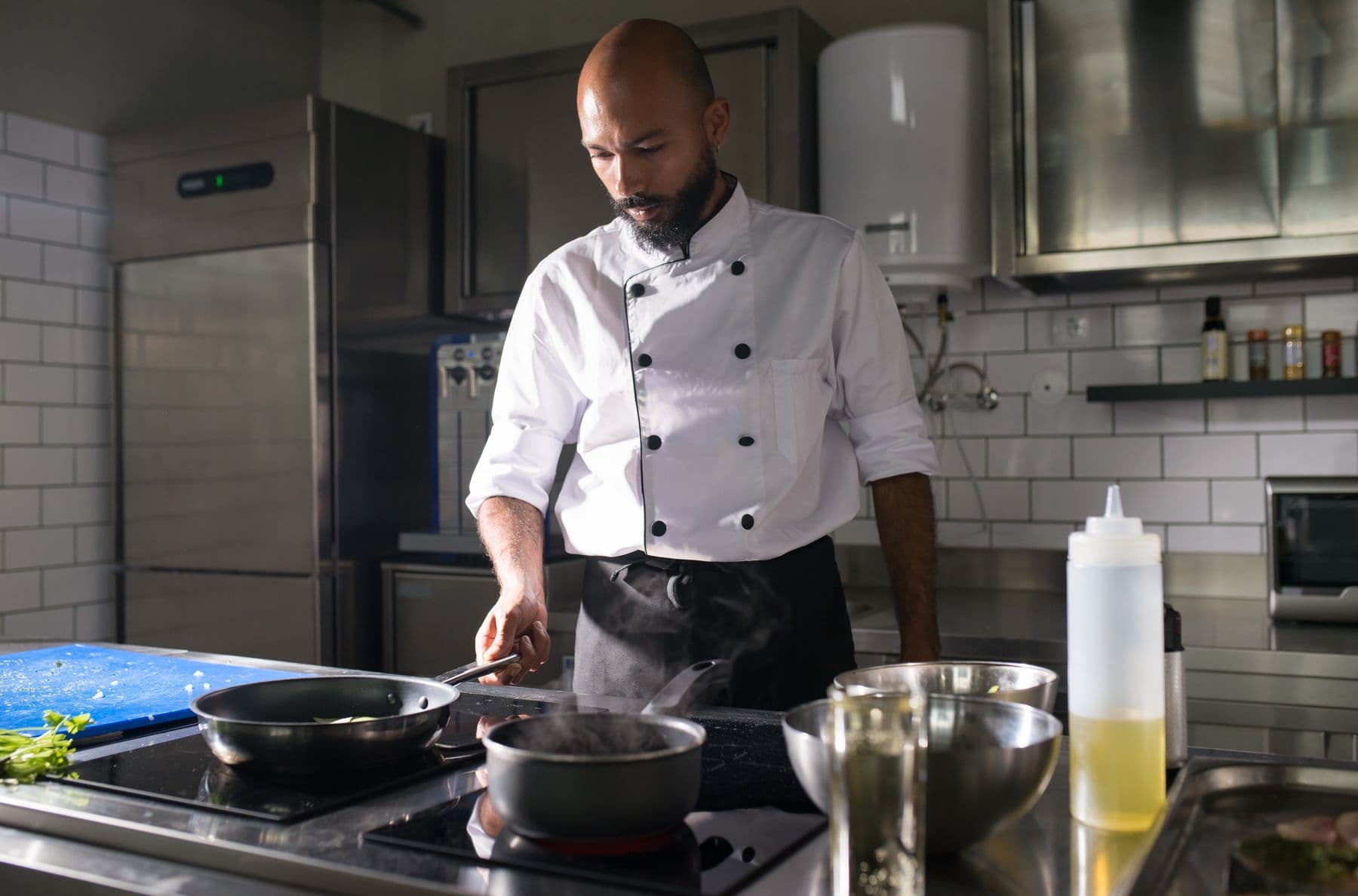
“If a dish needs ten ingredients to explain itself, it probably needed four.”
Ayaan Mirza, Executive Chef
Ten years, four rooms
How a corner room became an institution.
2016
The Beginning
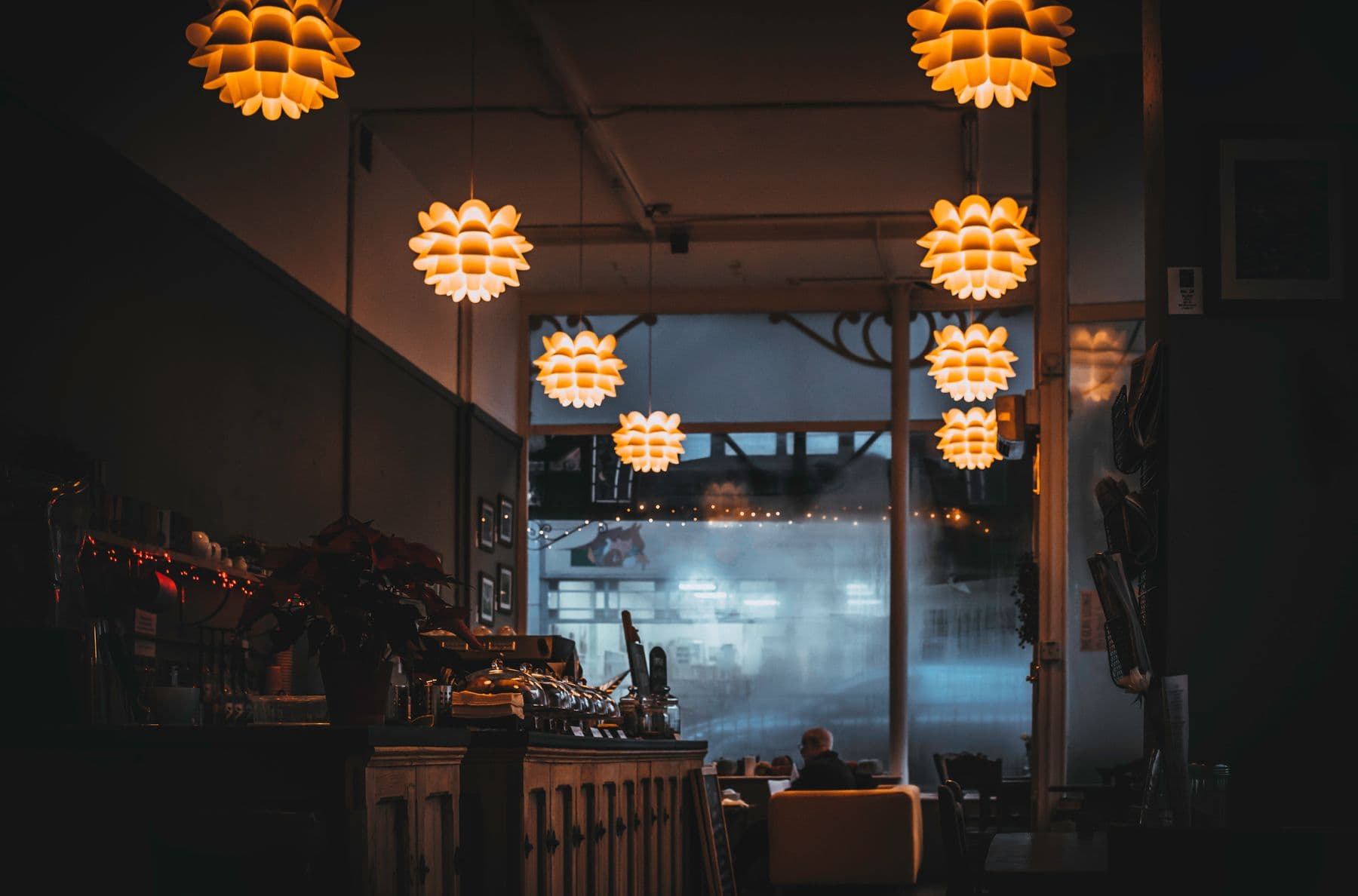
Soreva opened as a corner room on Main Boulevard — fourteen seats, a borrowed oven, and a menu rewritten every fortnight. We wanted to know whether a dining room could be quiet and warm at the same time, and whether you could serve food with real character without making guests feel like they had to know the rules. They came back. So we kept the answer.
2018
The Kitchen
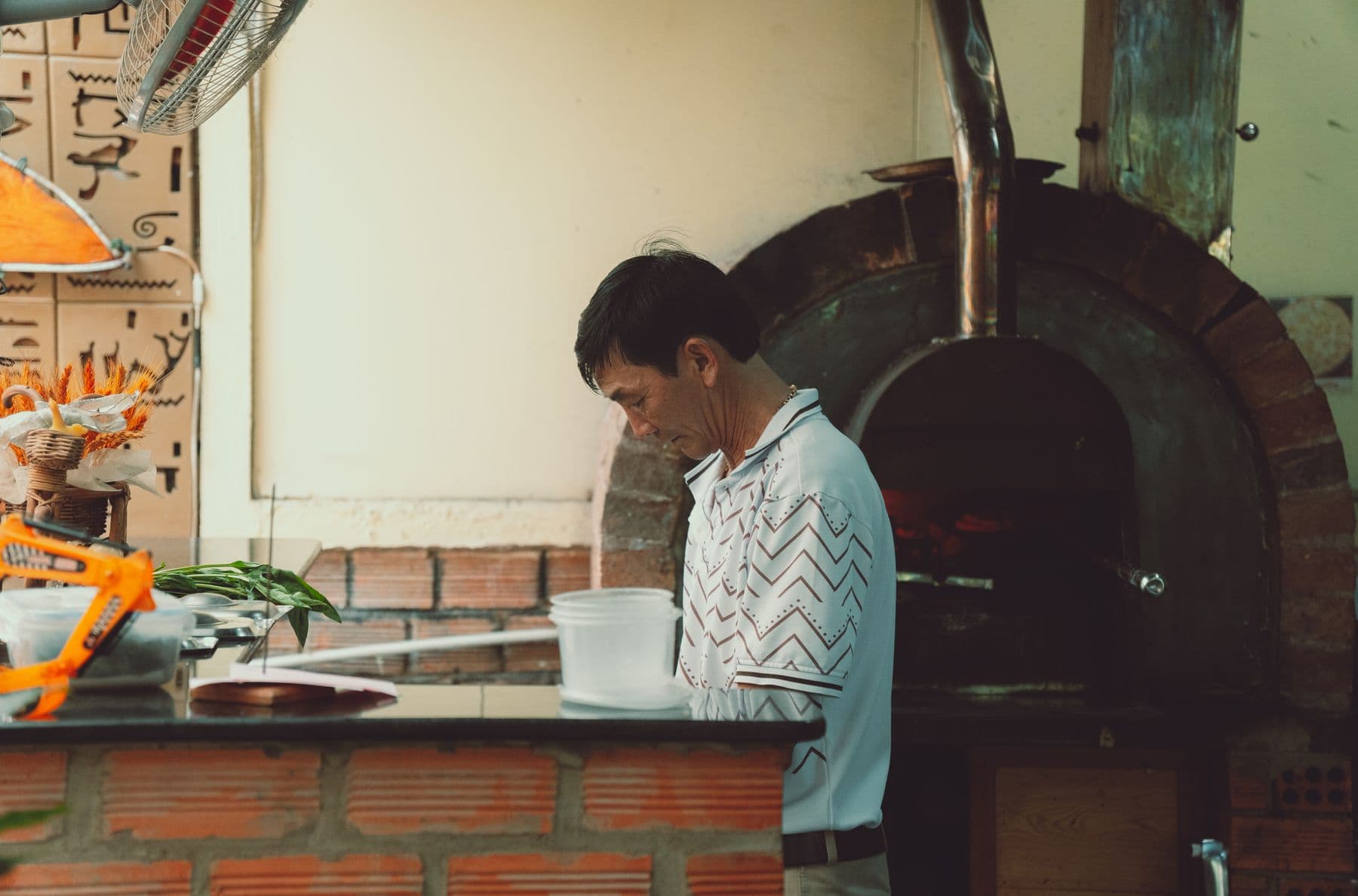
We took the room next door and built a kitchen around a wood oven. Bread went in at six each morning, meat was broken down by hand, and the first dish we cooked at scale was charred chicken with fenugreek and cultured butter. It is still on the menu. It still sells out.
2021
The Table
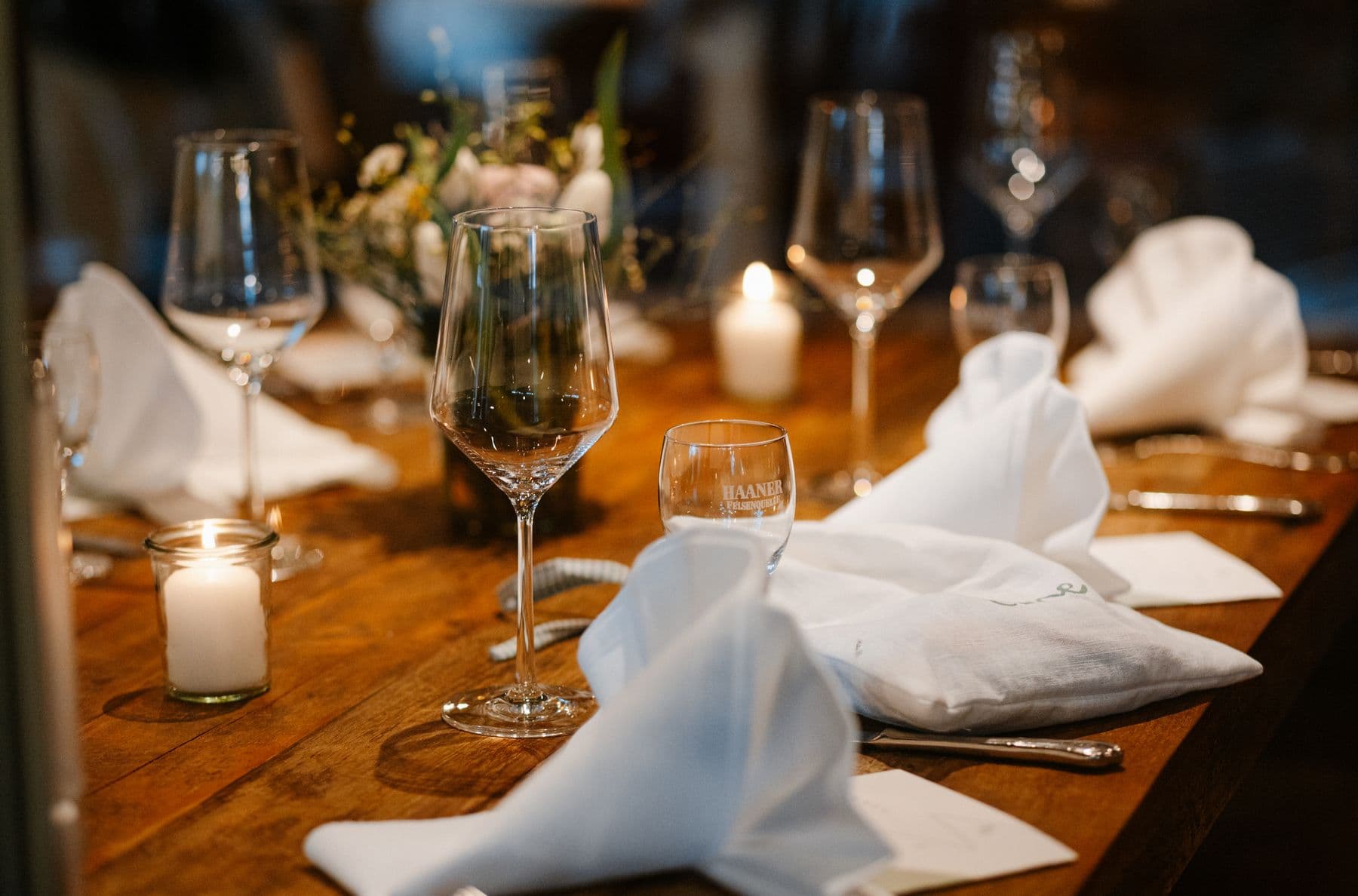
When the room had to shrink, we rebuilt it around fewer seats and longer evenings. Spacing widened, the lighting dropped lower, and service slowed to two sittings a night. Fewer covers, more attention — the trade we would happily make again.
Today
Today
Forty-eight seats, a cellar of a hundred and eighty labels, and a menu that still changes with whatever the growers send us. The shape of Soreva has not changed in a decade. Neither has the idea behind it.
Hospitality
Warmth, practised daily.
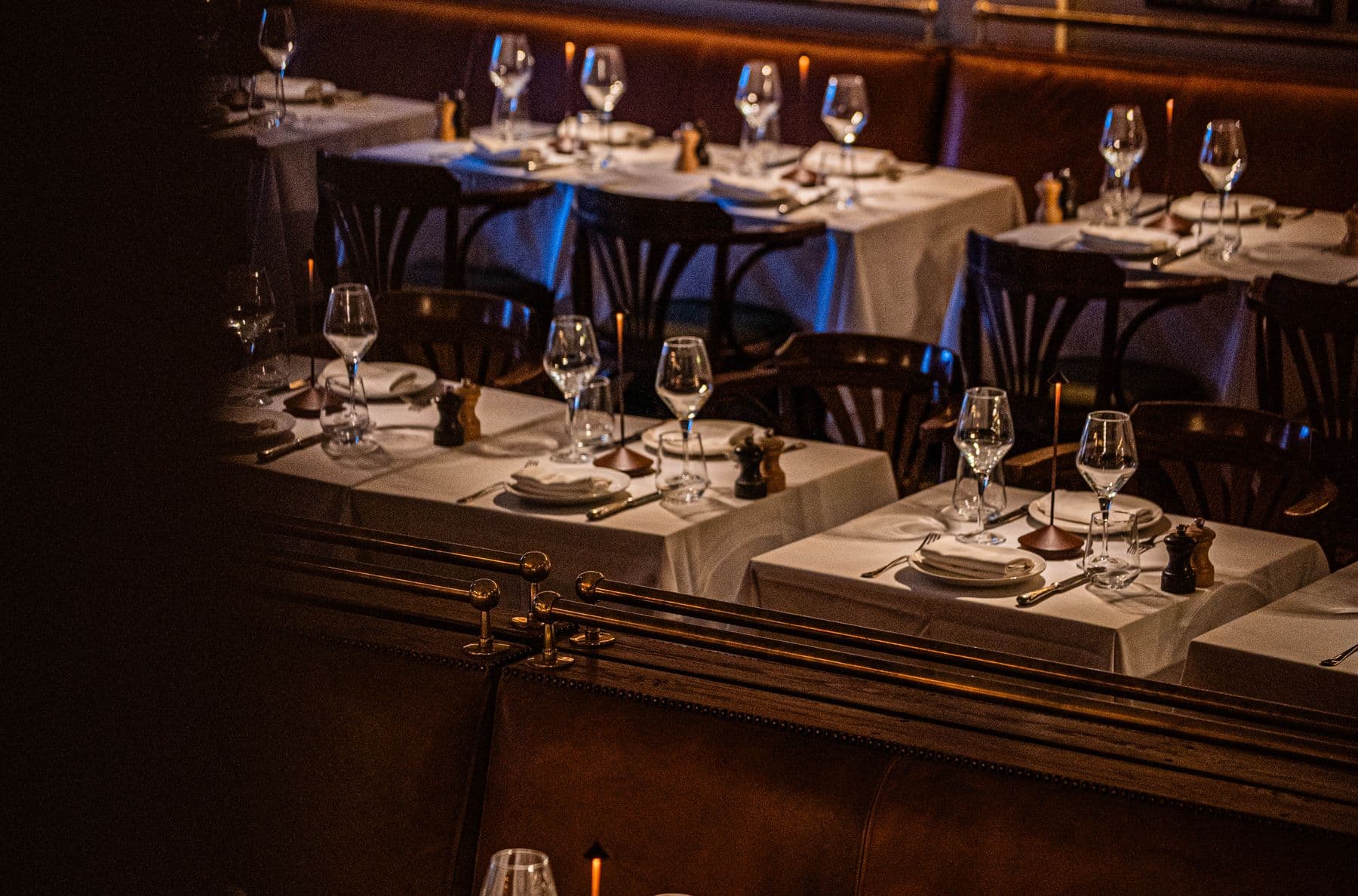
Hospitality, to us, is a form of attention. Not performance — attention. Knowing who is celebrating, remembering what a regular did not enjoy last time, and quietly moving a table away from the door when the room gets loud.
Our team is small and has worked together for years. That is deliberate. It means the person who takes your order has stood at the pass, and the person who brings your wine knows which dish it belongs beside.
We will happily cook to a dietary requirement, adjust a plate, or simply let a conversation run long. None of that is an accommodation. It is the job.
Our philosophy
Three rules we do not bend.
Everything about Soreva — the room, the menu, the way we work a service — comes back to these.
- 01
Source Thoughtfully
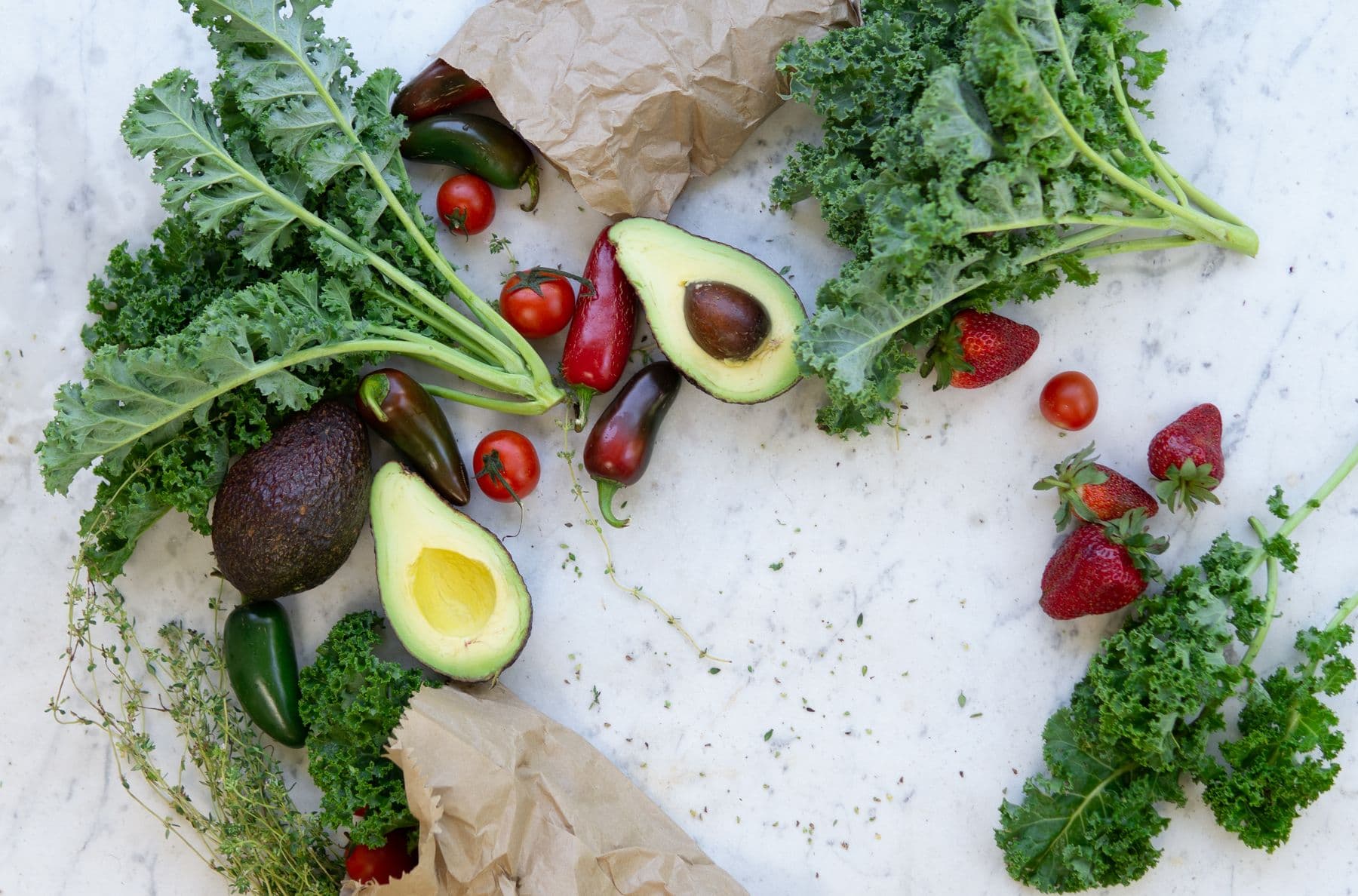
We buy from a small number of growers and suppliers, most of them within a few hours' drive. Short supply lines mean fresher produce, fairer prices, and a menu that can honestly claim to be seasonal.
- 02
Cook Intentionally
Every technique we use has to earn its place. A dish should have one idea at its centre, built on seasoning and heat rather than decoration, and it should leave the pass only when it is ready to be eaten.
- 03
Welcome Generously
The room is formal in its standards and casual in its heart. Nobody should need to know the rules to have a good evening here — you are looked after, not inspected.
What the ingredient asks of us
A short larder is not a limitation; it is discipline. We buy what is good this week rather than what the menu demands all year, and we let the kitchen change shape around it. A dish may appear in March and disappear in June, and nobody should be surprised.
The same applies to technique. Charcoal, a wood oven, a low and patient braise, a cold oven and good knives — that is most of what we need. What makes the food taste like Soreva is not a gadget but the timing, the seasoning, and the fact that someone is paying attention.
The rooms
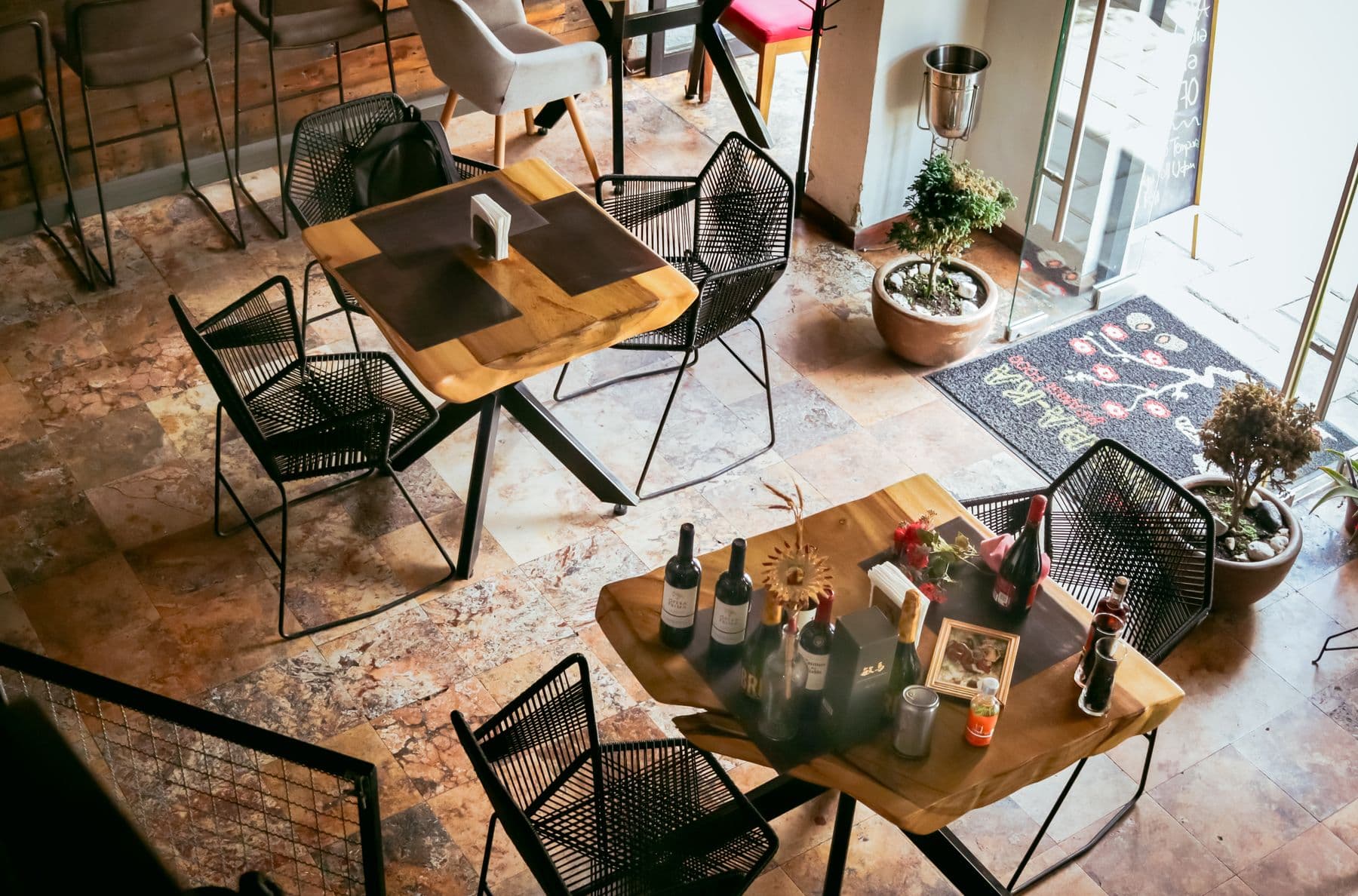
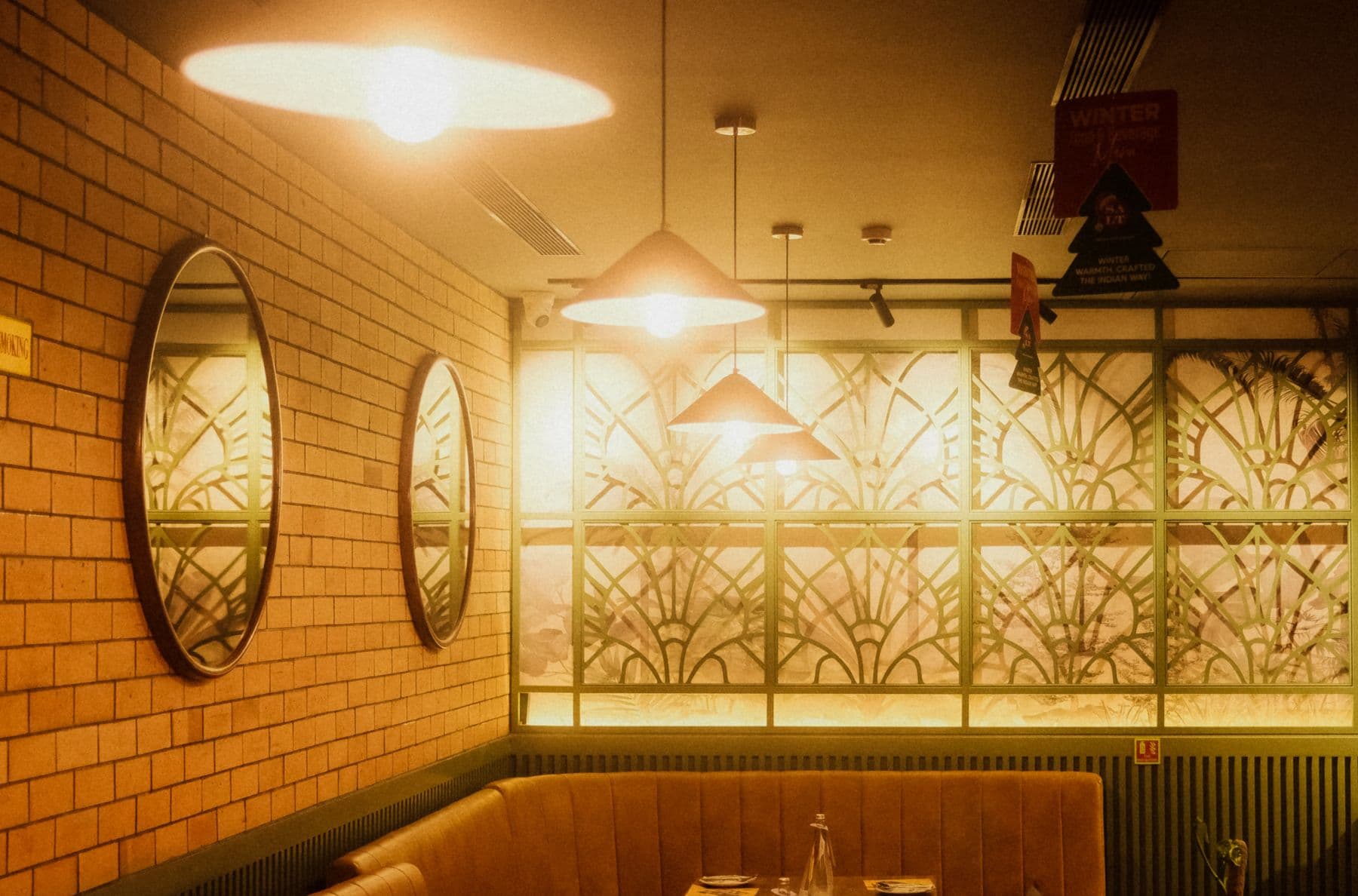
Three spaces, one idea.
Reservations
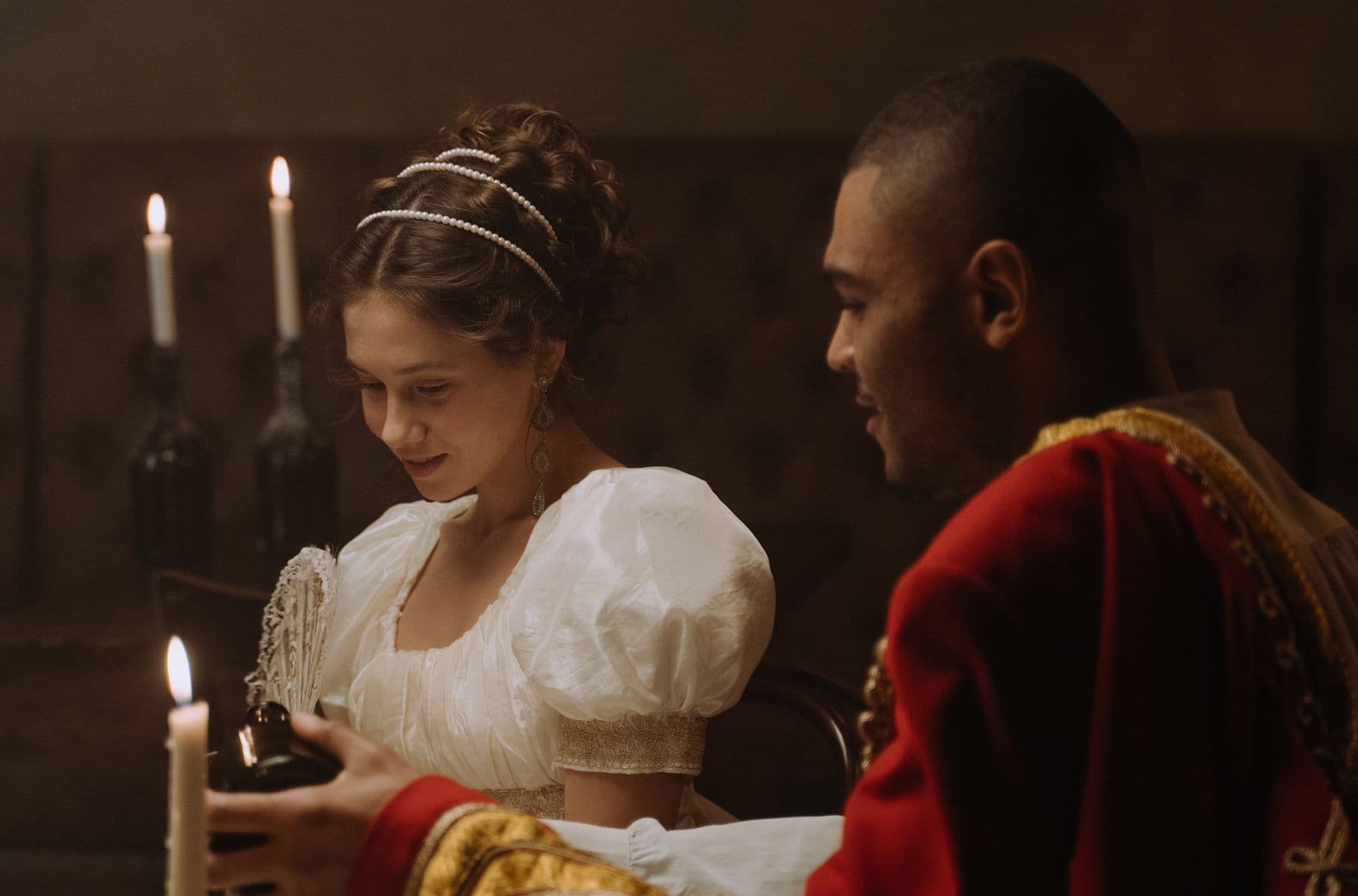
Come and see the room for yourself.
The best way to understand Soreva is to spend an evening in it. We would love to have you.